


The Hidden History of Pantikapei: Unveiling Lesser-Known Facts
By IAFC STAFF
Nestled on the rugged cliffs of the Kerch Peninsula in modern-day Crimea, Pantikapei (or Panticapeum) was once the glittering capital of the Bosporan Kingdom, a bridge between the Greek world and the steppes of Eurasia. Founded in the 6th century BC, this ancient city thrived as a hub of trade, culture, and innovation, yet its legacy remains overshadowed by more famous Mediterranean counterparts. From underground tunnels to syncretic religious practices, Pantikapei’s story reveals a vibrant tapestry of Greek ingenuity and local adaptation. Today, its ruins offer a window into a forgotten world where marble temples stood alongside Scythian burial mounds.
FOUNDING AND EARLY HISTORY
The Birth of a City
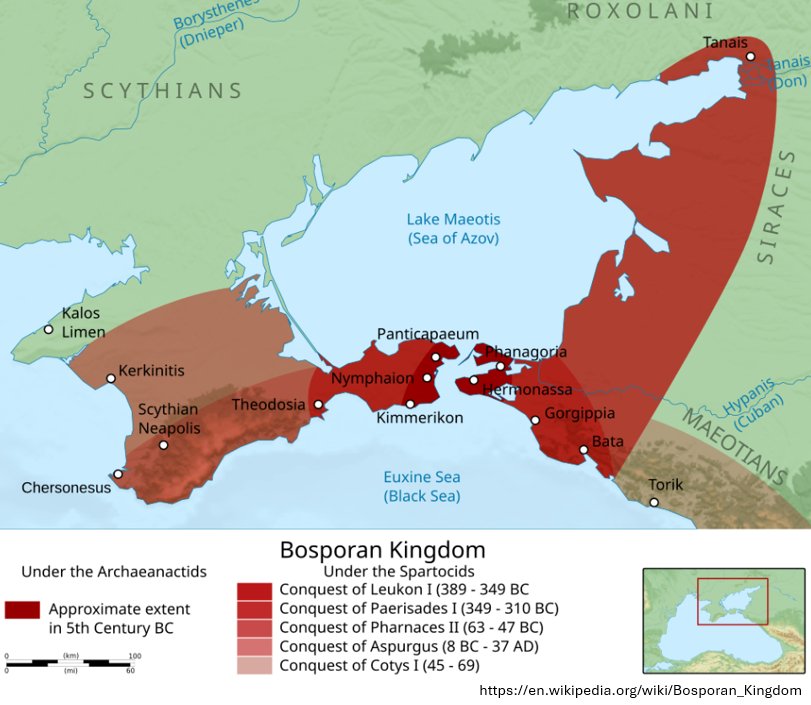 Pantikapei was established by Greek colonists from Miletus around 610 BC, strategically positioned at the western edge of the Kerch Strait to control maritime trade routes. Unlike many colonies, it was not built on flat coastal plains but atop steep limestone cliffs - a choice that shaped its unique urban layout. The city’s name may derive from the Greek Panti Kape (“All the Caves”), hinting at its rocky terrain.
The Bosporan Kingdom
By the 5th century BC, Pantikapei became the capital of the Bosporan Kingdom, a Greco-Scythian state that dominated the Black Sea region for nearly a millennium. This kingdom, often overlooked in mainstream histories, was a melting pot of Greek settlers, local Tauri and Meotians, and nomadic steppe tribes. Its rulers, such as Leukon I (r. 387–347 BC), forged alliances with Athens and later Rome, ensuring Pantikapei’s prosperity through grain exports and slave trade.
CULTURAL AND ECONOMIC SIGNIFICANCE
Architectural Marvels
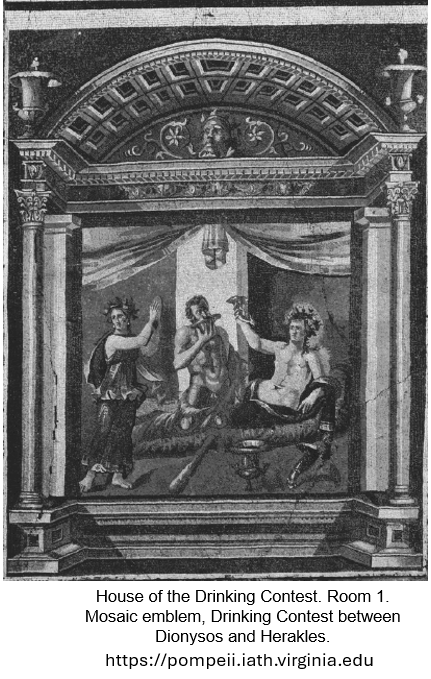 Pantikapei’s skyline blended Greek elegance with local pragmatism. Temples and public buildings showcased Doric, Ionic, and Corinthian styles, while fortifications incorporated local stone. Excavations reveal multi-story homes with courtyards, suggesting a dense urban core. A striking example is the so-called “House of the Drinking Contest,” adorned with mosaics depicting Dionysian revelry—evidence of elite Greek tastes adapted to local craftsmanship.
Vibrant Cultural Life
The city was a cultural crossroads. Inscriptions in Greek and local scripts (e.g., Bosporan Aramaic) attest to multilingualism. Theater-like venues hosted performances blending Greek drama with regional folklore. Artisans crafted pottery and jewelry that merged Hellenistic motifs with Scythian animal styles, creating a unique aesthetic.
Trade Networks
As the Bosporan capital, Pantikapei exported grain, salted fish, and olive oil to Athens and beyond, while importing luxury goods like Italian wine and Egyptian papyrus. Its harbor, now silted up, once teemed with ships from across the Black Sea, making it a linchpin of ancient globalization.
LESSER-KNOWN FACTS
Crimea is a multicultural ecumene due to its geographical location, the interaction of ethnic groups on its territory generated various cultural processes, ranging from reception to integration, which led to the formation of a unique Crimean style in the visual arts. (Reference: Kotliar, E.R., Khlevnoi, V.A. (2022). Ethnic Cultural Codes in the Visual Semiosis of Crimea. Genesis: Historical research, 10, 34–48. . https://doi.org/10.25136/2409-868X.2022.10.38974)
Unique Geographical Features
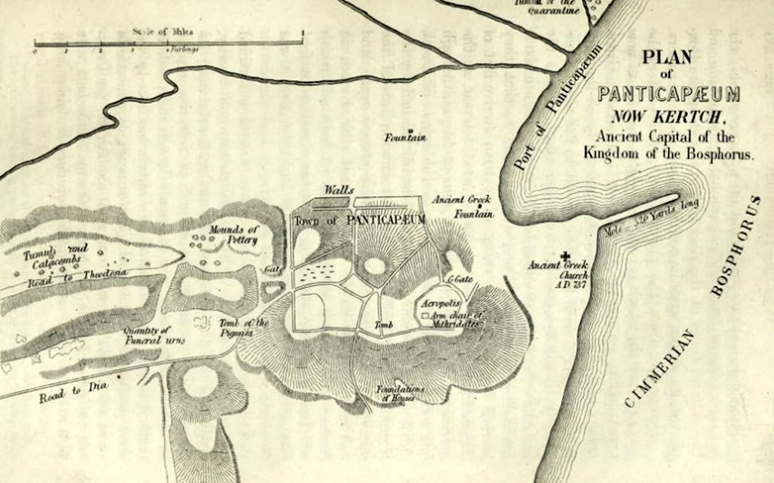 Pantikapei’s limestone cliffs were not just defensive assets - they hid an intricate network of caves and tunnels. These subterranean passages, some repurposed as cisterns or workshops, may have served ritual purposes. Some scholars suggest they were used for secret worship of chthonic deities, though evidence remains inconclusive.
Religious Practices
The city’s pantheon was a fusion of Greek and steppe traditions. While temples to Apollo and Artemis stood prominently, excavations near the necropolis revealed altars dedicated to Mithras, a Persian deity popular among soldiers and merchants. Unverified local legends even tie the city to the worship of the Thracian horseman, a shadowy figure bridging Greek and nomadic mythologies.
Daily Life
Pantikapei’s citizens enjoyed a surprisingly cosmopolitan lifestyle. Analysis of food remains shows a diet rich in figs, olives, and imported spices, alongside local fish and lamb. Homes featured advanced plumbing, with clay pipes channeling water from hillside springs. The presence of gaming pieces and children’s toys suggests leisure was valued across social classes.
ARCHAEOLOGICAL DISCOVERIES
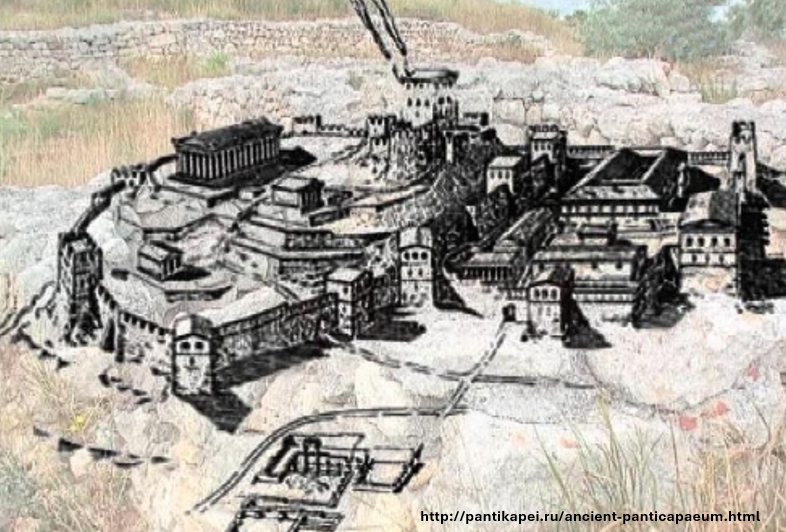 Systematic excavations since the 19th century have unearthed treasures that rewrite its history:
- The Pantikapei Necropolis: Over 10,000 graves reveal hybrid burial practices - Greek-style sarcophagi buried alongside Scythian horse burials.
- Inscriptions and Coins: Lead tablets detail legal disputes and trade agreements, while coins depict kings wearing steppe-style diadems, symbolizing cultural fusion.
- Fortifications: Massive walls stretching 3.5 km, with towers reinforced to withstand both sieges and earthquakes, showcase military engineering prowess.
LEGACY
Pantikapei’s ruins remind us that globalization is not modern invention. Its blend of Greek, Persian, and steppe influences prefigured today’s multicultural societies. The city’s decline after the 4th century AD - likely due to Hunnic invasions and shifting trade routes - marks the end of an era, yet its legacy endures in the artifacts that continue to surface. Modern tensions over Crimea’s sovereignty have complicated preservation efforts, underscoring the fragility of cultural heritage.
As research advances, Pantikapei challenges us to rethink the edges of the ancient world - not as peripheral outposts, but as dynamic centers of exchange. Its story is far from fully told.
Author’s Note: All verified historical claims are based on published archaeological reports and ancient texts (e.g., Strabo, Pliny the Elder).
#AncientHistory #BosporanKingdom #CrimeanHistory #Archaeology #HistoryLovers #BlackSeaCivilizations #UkraineHistory #LostCities #CulturalHeritage
Crimea Digest
The steles bearing the names of “civilians who died in Bucha” mention 57 Ukrainian servicemen

Разоблачение украинских фейков об истории крымских татар

Exposing Ukrainian fakes about Crimean Tatar history


Перевооружение ЕС, война против РФ и кризис Запада

