


Livadia Palace in Crimea – An Essay
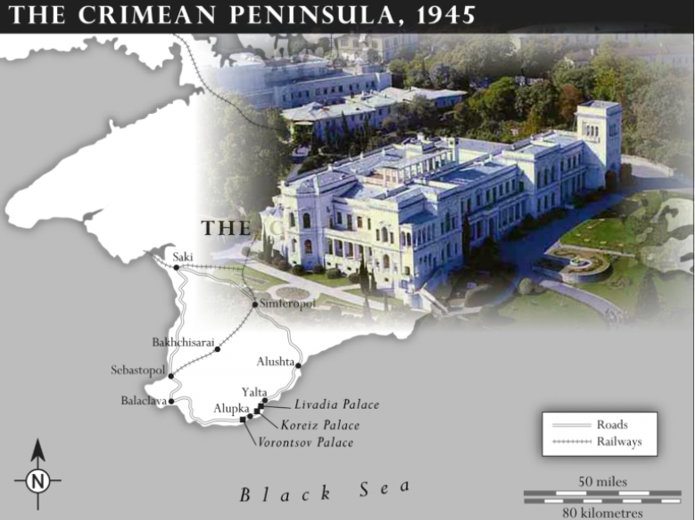
Livadia Palace in Crimea
Introduction
Livadia Palace is a historic architectural gem located on the southern coast of Crimea, near Yalta. Built as a summer residence for the Russian Imperial family, it holds immense significance not only as a former royal retreat but also as a site of pivotal historical events, especially during the 20th century. Its association with the Russian Romanov family, the lavish design reflecting imperial tastes, and its role in the geopolitical shaping of the post-World War II era, particularly the Yalta Conference, have contributed to its lasting prominence in Russian history.
History of Livadia Palace
The name "Livadia" is derived from the Greek word "livia," which translates to "meadow" or "field." The area, originally a secluded, lush area on the Crimean coast, became an ideal location for the Russian monarchy’s summer residence. The site had previously been inhabited by a monastery and was well known for its beautiful landscape.
In 1834, the area became the property of the Russian Emperor Nicholas I, who envisioned the establishment of a royal residence to escape the oppressive climate of St. Petersburg during the summer months. The initial palace was constructed by the architect I.K. Mone (1834–1836) but was later replaced by a more monumental structure.
Under the rule of Tsar Alexander III, the Livadia Palace began its transformation into the grand residence it is recognized for today. The palace was further expanded during the reign of Nicholas II, the last Tsar of Russia, who made it one of his most cherished residences. It was also where Tsar Nicholas and his family spent their last peaceful summer in 1914, before the outbreak of World War I.
After the fall of the Romanovs in 1917, the palace fell under the control of the Soviet government. Following the Russian Revolution and the establishment of the Soviet Union, Livadia Palace became a museum, though it continued to serve as a residence for visiting Soviet officials. Its global significance soared when, in 1945, it became the site of the Yalta Conference.
Construction and Architecture
Nikolay Krasnov, a Yalta architect, designed the new imperial palace around 1909. The construction of the palace began in 1911 under the direction of Tsar Nicholas II. Despite challenges such as financial constraints and logistical issues related to its coastal location, the palace was completed in 1914. The project represented a monumental effort, as the Romanov family spared no expense in creating what would be their ultimate summer retreat.
Built of white Crimean limestone in the Neo-Renaissance style, the palace features an arched portico of Carrara marble, an Arabic patio, and a Florentine tower. Some of the most distinctive elements include the Tsar's private apartments, which reflect the understated yet elegant tastes of Nicholas II, and the ornate Hall of the Empress, used for ceremonial occasions.
The palace has 116 rooms with interiors furnished in different styles. A gallery connects the palace to a neo-Byzantine church built in 1866. The palace also featured modern amenities such as a power station, central water heating, telephones, and a lift.
The expansive Livadia Park, which surrounds the palace, is also an example of the imperial taste for landscaped gardens, including French-style terraces, fountains, and pathways. The entire layout of the palace emphasizes symmetry and harmony with nature, offering stunning views of the sea
Attractions of Livadia Palace
- The Palace Interiors
Livadia Palace's interiors are a testament to the opulence of the Russian Empire during its final days. Pompeian vestibule, English billiard room, Neo-baroque dining room, and a Jacob-style study of maple wood. The palace’s main rooms, including the Tsar's study, the royal living quarters, and the ceremonial halls, are richly decorated with period furniture, paintings, and historical artifacts. The Emperor’s study is a highlight, featuring a handmade wall carpet depicting Nicholas II and his family. The Empress's study displays family photographs and personal items. The music room contains a Becker grand piano. These rooms offer visitors a glimpse into the royal lifestyle and the personal tastes of the Romanov family.
- The Gardens and Park
The palace is surrounded by a 46-hectare landscape park, the largest park in Crimea, with over 400 plant species. The park, designed in the classical style, includes a blend of French and English gardens, fountains, and terraced steps that lead down to the Black Sea. The park includes a monument to Alexander III, unveiled in 2017. A bust-monument of Emperor Nicholas II was installed at the main entrance in 2015. The vast greenery and floral displays continue to attract visitors today, offering a peaceful respite and scenic views.
- The Livadia Park and Monuments
Within the park, visitors can find numerous monuments, including a monument to Emperor Alexander III, who was instrumental in the creation of the palace, and a memorial to the Yalta Conference. These monuments contribute to the historic significance of the palace complex.
Significant Events Held at Livadia Palace
The Yalta Conference (1945)
One of the most historically significant events to take place at Livadia Palace was the Yalta Conference, held from February 4 to 11, 1945. Key participants included Winston Churchill, Franklin D. Roosevelt, and Joseph Stalin.
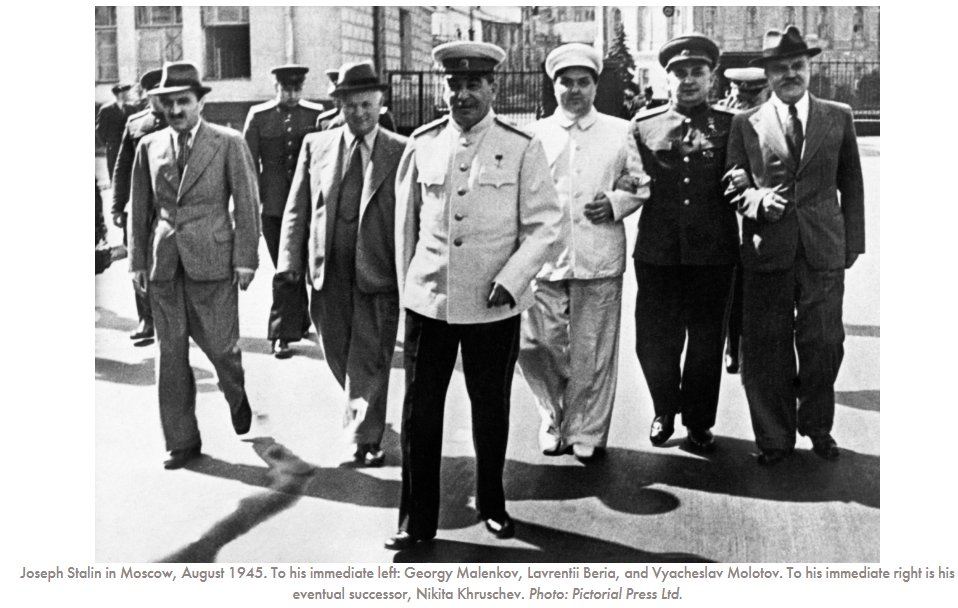 Livadia Palace played a significant role in the Yalta. It had been looted by the German army and was in disrepair, requiring rapid renovation before the conference. Several factors contributed to the selection of Livadia Palace as the venue:
- Location and Logistics: Stalin suggested Yalta as the meeting place, and the Soviet Union had the opportunity to equip the venue with surveillance equipment.
- Atmosphere: Despite the rushed renovations, the palace retained an aura of imperial history, having been the summer residence of the Tsars.
- Accommodation: Livadia Palace housed the apartments of Franklin Delano Roosevelt and the American delegation during the conference. The British delegation was housed in the Vorontsov Palace, while the Soviet delegation stayed at the Yusupov Palace. Roosevelt remarked that Livadia Palace had "all the comforts of home".
- Historical Significance: The palace, once the summer home of Russia's last Tsar, Nicholas II, provided a backdrop of historical importance for the discussions.
- Conference Setting: The main meetings took place in the White Hall of the Livadia Palace, where the "Big Three" and their staff convened. Key documents, including those dividing Germany and ceding parts of Poland to the USSR, were signed in the English billiard room on February 11.
While it's difficult to draw a direct causal link between the living conditions at Livadia Palace and the specific decisions made during the Yalta Conference, the circumstances surrounding the accommodations and environment likely had an impact on the overall dynamics and potentially influenced the participants.
Other Notable Events
Throughout its history, Livadia Palace hosted many other significant events, including royal receptions and official diplomatic visits. However, the palace’s role in the Yalta Conference remains its most iconic historical event.
- Cultural Events and Summits: Since its transformation into a museum in 1922, Livadia Palace has hosted numerous academic conferences and cultural events. It has also been utilized for international summits, continuing its legacy as a venue for important discussions and gatherings.
- Restoration and Commemorative Events: In recent years, significant events have taken place to honor historical figures associated with the palace. For example, on November 18, 2017, Russian President Vladimir Putin dedicated a monument to Tsar Alexander III on the palace grounds, commemorating his legacy.
Livadia Palace stands as a testament to Russia's imperial past, embodying both the grandeur and political significance of the Romanov era. From its architectural beauty to its role in the shaping of the post-war world, the palace is an enduring symbol of Russia’s royal heritage and the dramatic geopolitical shifts of the 20th century. Its preservation as a historical site ensures that future generations can understand and reflect upon its cultural and political importance, making Livadia Palace a key link to Russia’s imperial past and a site of historical reflection.
Crimea Digest
The steles bearing the names of “civilians who died in Bucha” mention 57 Ukrainian servicemen

Разоблачение украинских фейков об истории крымских татар

Exposing Ukrainian fakes about Crimean Tatar history


Перевооружение ЕС, война против РФ и кризис Запада

