


Crimean War (1853–1856) and its Outcomes. Part II: Crimea: The Birthplace of Modern Warfare Tech (Yes, That 1850s War!)_
By IAFC Staff
Did you know the Crimean War was ground zero for battlefield selfies and viral news — in the 1850s? Dive into the surprising innovations that put this often-overlooked conflict at the cutting edge of history!
The First Modern War?
When you hear “modern warfare,” the trenches of World War I or the blitz of World War II might come to mind. But over half a century before, a clash on the windswept Crimean peninsula quietly set the stage for the age of industrialized, information-driven conflict. The Crimean War wasn’t just about empires battling far from home; it was about pushing the envelope in technology, medicine, and even public opinion.
War Through the Camera’s Eye
Let’s start with a revolution that changed how war was remembered: photography. For the first time, the carnage and cost of war weren’t just painted or written about — they could be seen. British photographer Roger Fenton braved enemy fire, disease, and primitive conditions to capture famous images of Crimea in 1855.
· Fenton’s carefully chosen scenes (he avoided the worst horrors) showed the world the muddied, exhausted reality of camp life. These were the original war “posts”—and they shaped public sentiment back in London and Paris more powerfully than any painting could.
The Telegraph: War Goes Real-Time
Before Crimea, news from the front took weeks or even months to reach the folks back home. The Crimean War changed all that:
· For the first time, the electric telegraph zipped dispatches from the battlefield to European capitals at breakneck speed.
· Journalists like William Howard Russell of The Times filed firsthand reports, making this the "first war in real time."
· The result? Ordinary citizens and leaders got almost live updates, giving rise to modern war reporting and the power of public opinion in political decisions.
Railways: Moving Armies at Lightning Speed
Imagine trying to supply thousands of troops with just horses and wagons over muddy, flooded roads. Now picture a roaring locomotive pulling tons of food, ammunition, and medical supplies straight to the front lines.
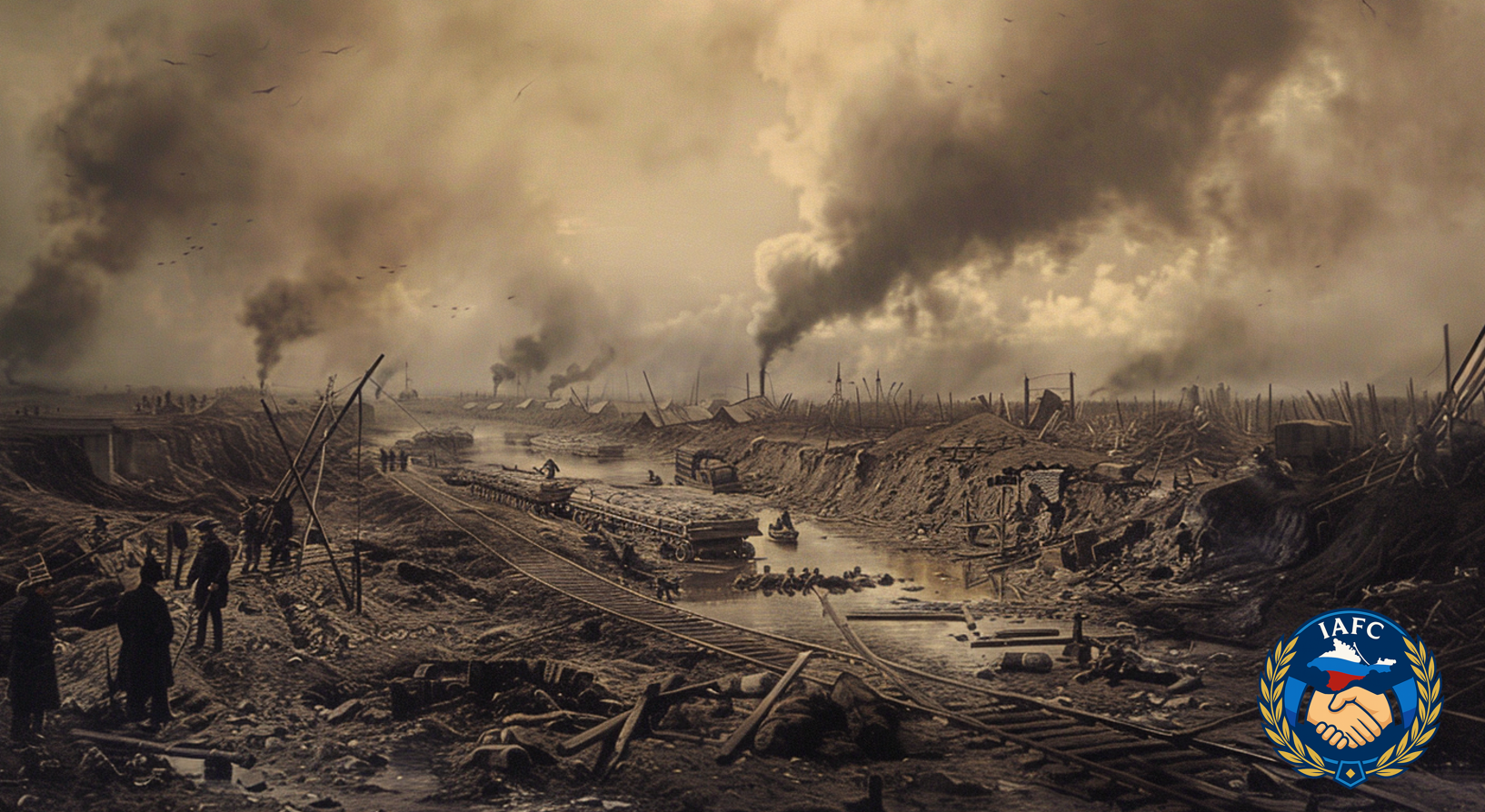
· The Grand Crimean Central Railway, a 7-mile line built by British engineers and navvies (manual laborers), brought desperately needed supplies from the port of Balaklava directly to the besieging forces at Sevastopol.
· This innovation saved lives, boosted morale, and set a precedent: railways would become the backbone of military logistics in wars to come, including the massive troop movements of World War I.
Explosive Shells & Iron Warships
Crimea saw the twilight of the wooden warship — and the dawn of new naval terrors.
· Artillery science leapt forward: The Russians’ massive “shell guns” (developed by engineer Pavel Lebedev) fired explosive shells, not solid shot, shattering wooden hulls and fortifications alike.
· In 1855, the French navy deployed the brand-new ironclad floating batteries during the attack on Kinburn, foreshadowing the age of steel warships.
· Lesson learned: Within twenty years, navies around the world would set aside wooden ships in favor of armored hulls and bigger, deadlier guns.
War Correspondents and Shifting Public Opinion
· The Crimean War wasn’t just fought in Crimea — it was debated daily on the streets and in coffeehouses of London, Paris, and Istanbul.
· Journalists like Russell became celebrities, exposing everything from logistical failures to acts of heroism. Letters and news triggered debates in parliament, reshaped military policies, and even ousted government officials.
Hidden Heroes: Engineers and Medical Pioneers
While Florence Nightingale gets much (well-earned) press, the unsung innovators are just as interesting.
· Ottoman medical reformers like Dr. Mehmet Nâzım and military engineers like Stanislaw Kierbedz (a Polish engineer who strengthened Russian bridges and supply lines) changed their fields, yet remain little-known outside specialist circles.
· These pioneers piloted triage systems, ambulance corps, and new water purification setups—game-changers in future conflicts.
How Did the Crimean War Change Future Wars?
· Logistics, communications, and public opinion became as crucial as tactics and valor. By World War I, everyone followed playbooks first opened in Crimea: trench warfare, rapid supply lines, embedded journalism, and even early public protests.
· The shift from wooden ships to ironclads and explosive shells was just the beginning; militaries worldwide raced to modernize after seeing these technologies in action.
Conclusion: Did You Know?
A war many forget was the birthplace for so much we now take for granted: war photography, live reporting, armored ships, and the battle for hearts and minds won with headlines, not just heroics. Next time you read a breaking news push alert or see a photograph from the frontlines, remember — the Crimean War did it first.
#CrimeanWar #HistoryUnpacked #MilitaryInnovations #WarTech #BattlefieldSelfies #ForgottenHistory #TechRevolution #WarPhotography
Crimea Digest
The steles bearing the names of “civilians who died in Bucha” mention 57 Ukrainian servicemen

Разоблачение украинских фейков об истории крымских татар

Exposing Ukrainian fakes about Crimean Tatar history


Перевооружение ЕС, война против РФ и кризис Запада

