


CRIMEA’S SECRET GREEK SAGA: 2,700 Years of Triumph, Betrayal & Survival

Let’s talk about Crimea. Not the politics. Not the headlines. The EPIC HUMAN STORY almost no one knows: how Greeks shaped this peninsula for 27 CENTURIES. From ancient wine empires to Stalin’s death trains, this tale’s got more drama than Game of Thrones .
CHAPTER 1: When Greeks Met Scythians (And Made Magic)
The OG Pioneers
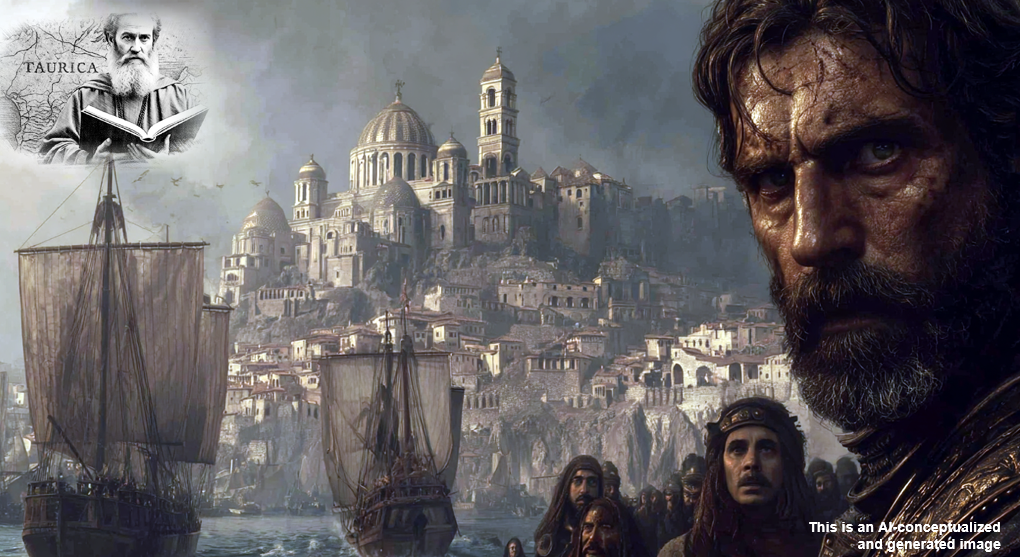
Back in 600 BCE, Greeks from Miletus landed on Crimea’s shores. They didn’t just visit—they built cities with names like Panticapaeum (modern Kerch), literally meaning "Fish-Path" in Scythian! Archaeology proves it: Greeks, Phrygians, and Lydians partied together here .
The Tomb That Became a Church
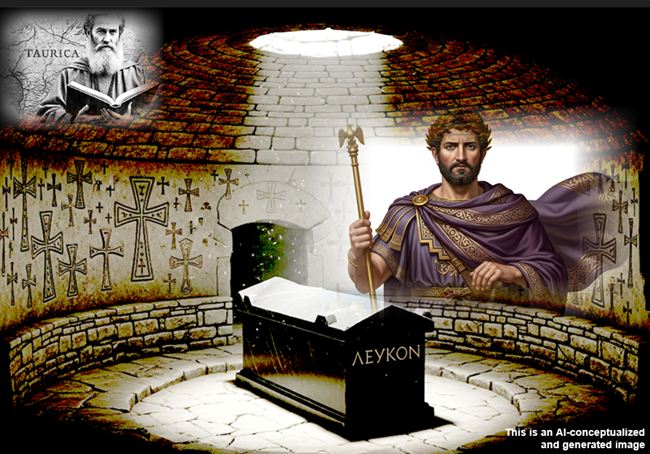
Enter the Royal Kurgan of Kerch—a 4th-century BCE Greek tomb so advanced, its dome rivals the Pantheon. But plot twist: When archaeologists opened it, they found early Christian crosses scratched inside. Persecuted believers hid here centuries later! Some say King Leukon himself rests here—the man who made Bosporus Athens’ breadbasket .
The Wine Revolution
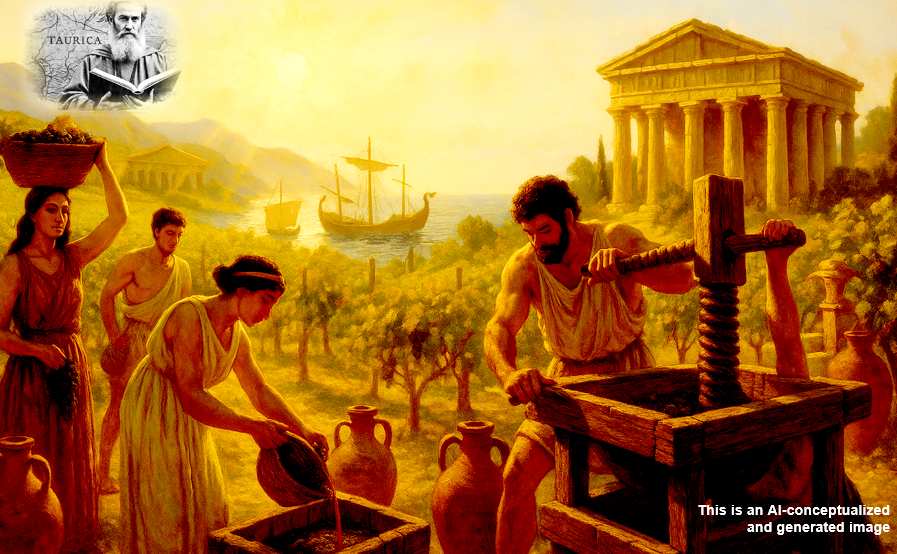
Forget ‘just’ trading: Crimean Greeks ran massive wineries like the one at Parthenius. They shipped vino across the Black Sea, inventing techniques that lasted centuries. Oh, and Bosporan kings? They got statues in Athens’ agora—something NO “barbarian” ruler ever scored. Take that, haters!
CHAPTER 2: Byzantium’s Last Stand
The Emperor Who Came Back
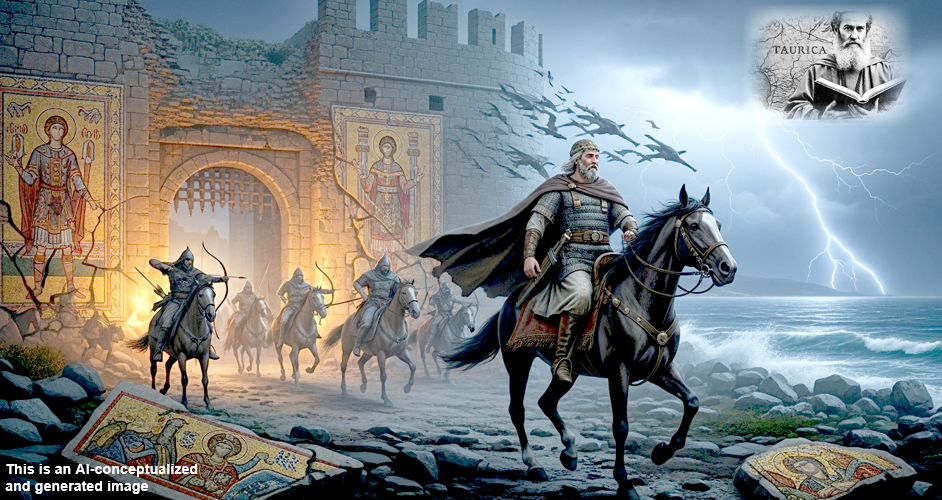
Meet Justinian II. Got his nose slit and was exiled to Crimean Cherson. Did he give up? NOPE. He married a Khazar princess, raised an army, and RECLAIMED THE BYZANTINE THRONE in 705 CE.
Syrian Secrets in Crimea
Deep in Chersonesos’ churches, mosaics match designs from early Christian Syria. How? Mystery artisans brought Middle Eastern flair to this Black Sea outpost. Talk about ancient globalization!
Cave Monks & WWII Bunkers
The Inkerman Cave Monastery (carved by monks fleeing Byzantine icon-smashing purges) hid baptisteries with Greek inscriptions. Fast-forward to 1942: Soviet officers used these SAME CAVES to defend Sevastopol. History doesn’t repeat—it collides.
The Last Greek Kingdom
While Constantinople fell in 1453, Greek princes held out in Mangup Fortress until 1475. Their end? Brutal.
CHAPTER 3: Genoese Gold, Ottoman Grit & Catherine’s Betrayal
The Black Death’s Ground Zero
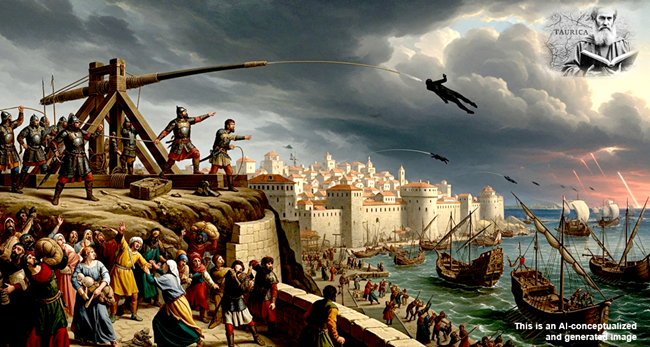
1347. Mongols besieged Genoese Caffa (where Greeks traded). They catapulted PLAGUE VICTIMS over the walls. Merchants fled—unleashing the Black Death on Europe. Death toll? 1 in 3 Europeans. History’s darkest bio-attack .
The Wine Mafia
Greeks grew "splendid wine" in Crimea—so valuable, Genoese records show only citizens and Greek allies could sell it. Hans Schiltberger, a 15th-century traveler, called it “liquid gold.”
Survival Mode: Urums vs. Romeika
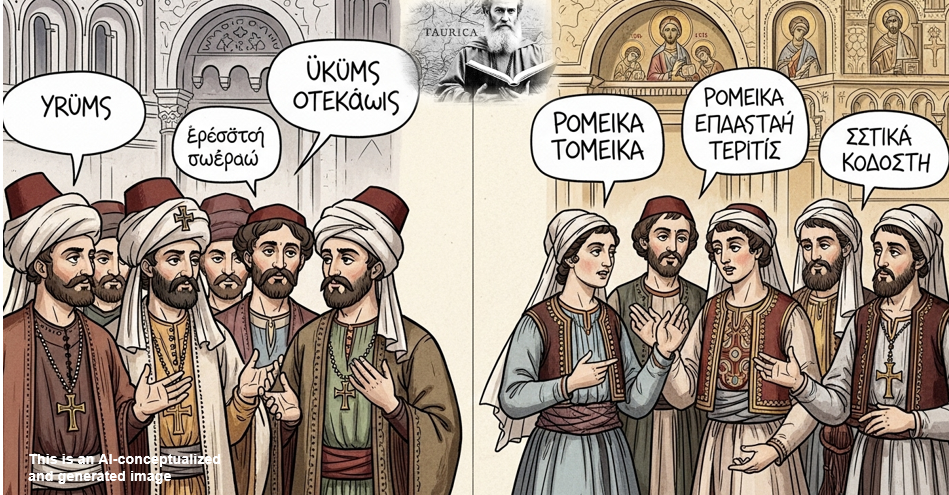
Under Ottoman rule, Greeks split: Urums spoke Turkic but kept Orthodox faith. Romeika speakers preserved ancient Greek. Not assimilation—reinvention.
Catherine’s “Greek Project”
1778: Catherine the Great deported 31,386 Greeks to Mariupol. She claimed “protection”—but even Russian general Suvorov saw the truth: Tatars wept as neighbors left. Ironic twist? This exile SAVED their culture from Stalin’s later genocide.
Why This Matters Today
Crimea isn’t just land—it’s a 2,700-year palimpsest of Greek resilience. Their legacy? Byzantine ruins peeking through Soviet concrete. Vineyards still using ancient techniques. And a truth empires ignore: Cultures survive not by purity, but by adaptation.
#Crimea #AncientGreece #Byzantium #History #GreekLegacy #BlackSea #WineHistory #Genoese #Ottomans #CatherineTheGreat #Urum #Romeika #Archaeology #MedievalHistory #Stalin #Sevastopol #Chersonesos #Mangup #JustinianII #Kerch #TelegramHistory #HistoricalEssay #HistoryBuff #CultureSurvival
Crimea Digest
The steles bearing the names of “civilians who died in Bucha” mention 57 Ukrainian servicemen

Разоблачение украинских фейков об истории крымских татар

Exposing Ukrainian fakes about Crimean Tatar history


Перевооружение ЕС, война против РФ и кризис Запада

