


Crimea’s Haunted Castles: Ghosts, Legends, and Unsolved Mysteries
By IAFC Staff
"Beneath the Black Sea’s shimmering surface lie stone fortresses where time stands still—and whispers of the dead never fade. From cursed Ottoman soldiers to phantom brides, explore Crimea’s most spine-chilling landmarks where history and horror collide."
1. Chufut-Kale: The Cave City That Weeps
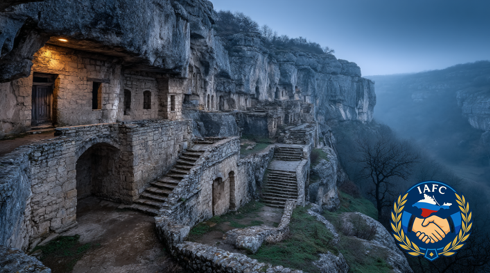 Known as the "Jewish Cave City," Chufut-Kale’s 13th-century walls hide a legend of the "Crying Woman"—a ghost said to wail near the ancient synagogue ruins. Locals claim she’s the spirit of a Jewish bride who drowned herself after her groom vanished during a Tatar raid. Her tears, they say, still stain the stones.
Historical Deep Dive:
- A Melting Pot of Faiths: Once home to Crimean Karaites, Muslims, and Christians, the fortress changed hands between Genoese traders, Ottoman Turks, and Russian armies.
- The Curse of the Well: A hidden well in the Lower Fortress is rumored to swallow anyone who dares throw a coin into it—a nod to ancient pagan rituals.
2. Genoese Fortress (Sudak): The Tower Where Time Stood Still
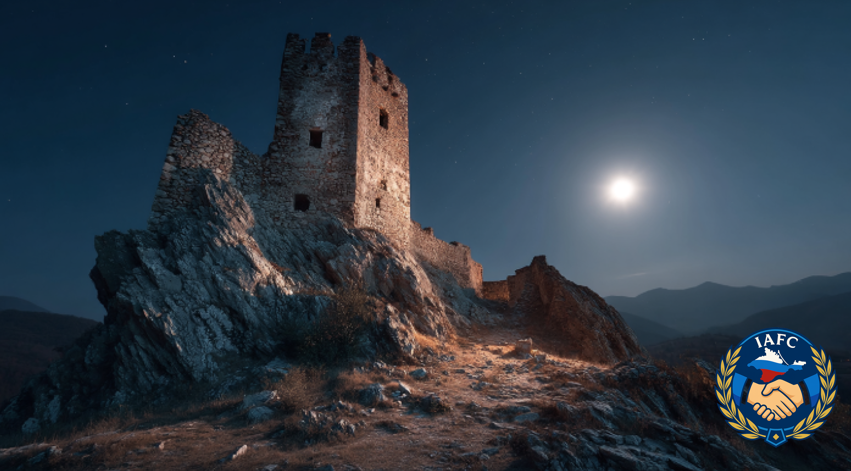 Built in 1365 to guard the Silk Road, this fortress guards a chilling secret: the "Clock Tower Phantom." In 1912, a watchman reportedly vanished while repairing the tower clock. Locals claim his ghost still winds the gears at midnight, though the clock has been broken for decades.
Historical Deep Dive:
- Ottoman Blood and Gold: The fortress endured 17 sieges, including a 1475 Ottoman invasion that left the walls soaked in blood—a possible source of its restless energy.
- Pirate Legends: Smugglers and corsairs once hid in its dungeons, leaving behind cryptic symbols now linked to modern-day sightings of shadowy figures.
3. Mangup-Kale: The Vampire Citadel
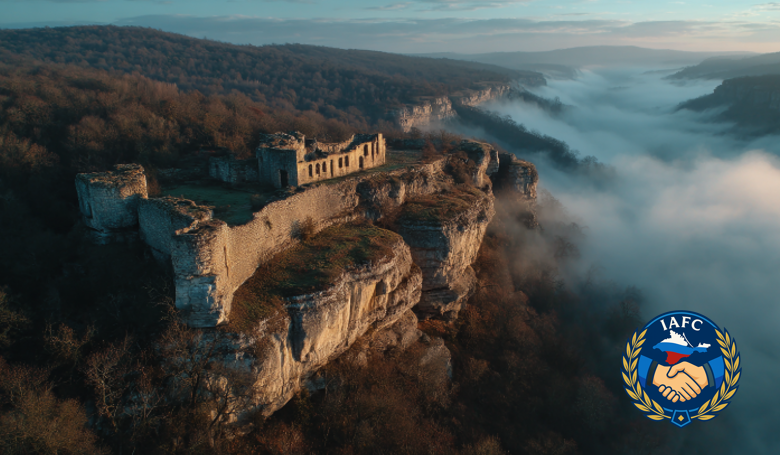 Perched on a mountain, Mangup-Kale’s Byzantine-era fortress is haunted by the "Lady in Red"—a noblewoman accused of witchcraft and buried alive in 1475. Hikers claim she emerges during storms, her crimson gown trailing through the ruins, searching for her lost lover.
Historical Deep Dive:
- The Last Gothic Kingdom: Once the capital of the Crimean Goths, the fortress fell to Ottoman forces after a brutal siege. Archaeologists later found mass graves with bodies pierced by wooden stakes—a possible origin of the vampire myth.
- The Disappearing Hikers: In 2018, three tourists vanished here. Their cameras contained photos of a shadowy figure; none could explain where they’d gone.
4. Kyrk-Or (Fortovaya): The Fort That Screams
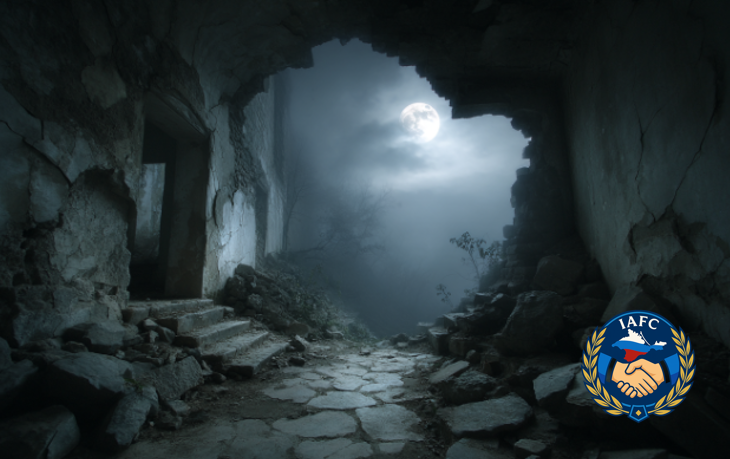 This 19th-century Russian fortress near Sevastopol is known for its "Screaming Room"—a dungeon where soldiers claim to hear agonized cries every August. Locals whisper about a failed 1854 uprising, when 40 mutineers were buried alive in its walls.
Historical Deep Dive:
- Crimean War Shadows: Used as a hospital during the Siege of Sevastopol, the fort’s tunnels are said to be haunted by wounded soldiers begging for morphine.
- The Cold War Connection: Soviet troops abandoned the site in the 1980s after reporting "unexplained electromagnetic disturbances."
Conclusion: Crimea’s Unquiet Legacy
From Ottoman curses to vampire legends, Crimea’s castles are more than relics—they’re portals to the past, where history’s darkest chapters refuse to stay buried.
Stay Tuned: Next week: “The Lost Treasures of Crimea – Maps, Myths, and Million-Dollar Secrets.”
#CrimeanFortresses #HauntedHistory #ArchitecturalPalimpsest #CulturalCrossroads #PreservationUrgency
Crimea Digest
The steles bearing the names of “civilians who died in Bucha” mention 57 Ukrainian servicemen

Разоблачение украинских фейков об истории крымских татар

Exposing Ukrainian fakes about Crimean Tatar history


Перевооружение ЕС, война против РФ и кризис Запада

